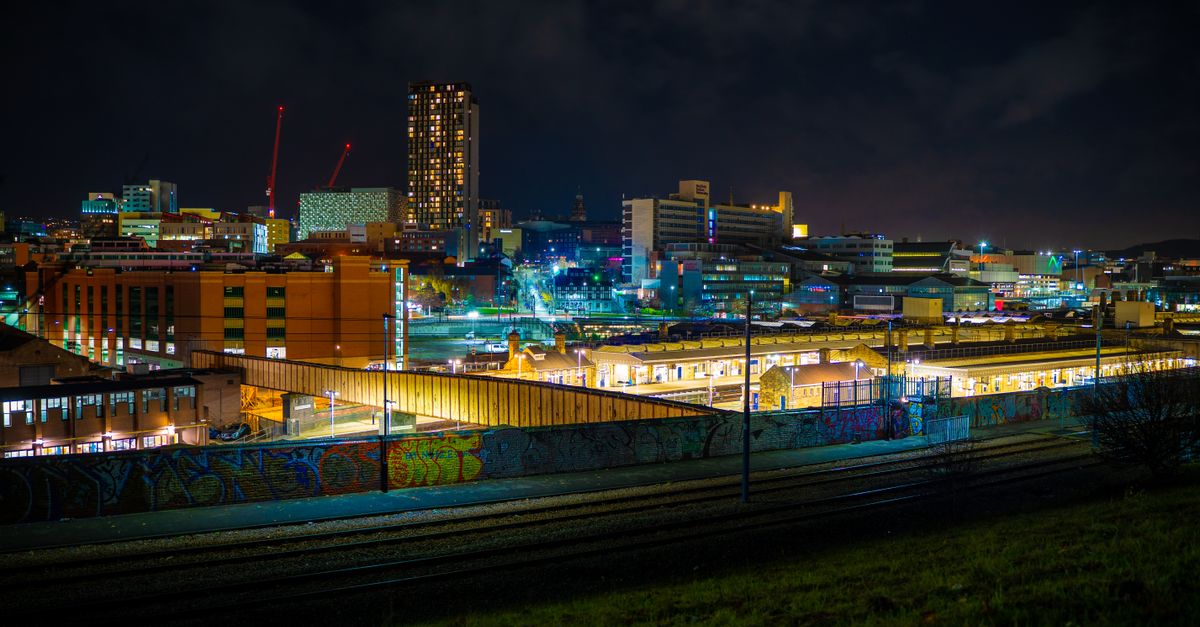
Sheffield's relationship with its own food scene has fundamentally shifted. Walk down Ecclesall Road or through the regenerated areas around West Street, and you'll notice something that wasn't true three years ago: independent restaurants and cafés have stopped being the exception and become the rule. This reversal matters because it signals a broader recalibration of how the city's 580,000 residents spend money, where they choose to eat, and critically, why they no longer feel compelled to head elsewhere for proper dining.
The change accelerated from late 2024 onwards, driven partly by a backlash against rising food costs at chain establishments and partly by a cohort of new independent operators betting on Sheffield's Millennial and Gen Z population. What started as scattered openings—a new wine bar here, a pasta restaurant there—has consolidated into something recognisable as a movement. Property agents report that independent food operators are now competing fiercely for ground-floor leases, a reversal from five years ago when landlords struggled to find tenants willing to take the risk.
Where the Real Change Is Visible
The Devonshire Quarter, already known for its indie credentials, has intensified. Recent arrivals include three new neighbourhood restaurants focused on seasonal cooking between 2025 and now. But the surprise shift happened in the city centre itself. The area bounded by Pinstone Street and Furnival Gate, once dominated by national chains, now hosts a cluster of owner-run establishments. Tamper Coffee, which operates across several Northern cities, expanded its Sheffield presence to two locations. More significantly, wholly Sheffield-born concepts are now surviving year two and three of trading—the stage where most independent restaurants historically fold.
Broomhill, traditionally a student area with transient demographics, has seen a different transformation. Local independent grocers and neighbourhood restaurants serving families have opened as the area gentrified. The Vitamin Store on Tappin Street, which opened in January 2026, operates as both a juice bar and health-focused grocer, signalling a shift toward wellness-conscious retail that mirrors what's happening across the city's suburbs.
What the Numbers Actually Show
The Federation of Small Businesses Sheffield branch recorded 47 new independent food and drink licences issued between January 2025 and June 2026—compared to 12 in the same period from 2022 to 2023. Foot traffic surveys conducted by the city council across five major food retail zones showed a 23 percent increase in visits to independent venues versus chains between summer 2024 and summer 2026. Average spend per customer at independent restaurants has held at £18–£22, undercut slightly from what chains charge for equivalent quality. Rent on prime ground floor retail dropped 8 percent year-on-year through 2025, creating the space—literally and economically—for newer operators.
Employment matters too. Sheffield City Council employment data shows food and drink sector jobs increased by approximately 1,200 positions across independent venues from early 2025 to now, offsetting losses from several chain closures.
Locals point to consistency and personality as reasons they've shifted their habits. Independent venues tend to source from local suppliers, feature rotating art on walls, and adjust menus based on what's available rather than strict corporate templates. The practical result: people book tables months ahead. Tamper's second Sheffield location sold out its first month of reservation slots. A new British-Italian restaurant near Trafalgar Street, which opened in April, ran at 94 percent capacity through its first twelve weeks.
If you're planning to explore this properly, book ahead. Weekends fill quickly. Midweek dining remains easier. Look beyond the obvious streets—Ecclesall Road and Devonshire Quarter are safe bets, but newer spots in Kelham and along West Street are still underrated. Prices have stabilised around £15–£18 for main courses at independents, making them genuinely competitive with chains. Visit local food markets: Sheffield's summer markets at Norfolk Heritage Garden and Town Hall Square run Thursdays and Sundays, stocked with independent operators rather than corporate stalls. This is where people in the food business source ideas and ingredients. It's also where you'll understand why this feels like change that's stuck around.