Property
Sheffield’s Housing Market in 2026: How Does It Stack Up Against the 2021 Boom?
Prices in Crookes and Kelham Island surge past pre-pandemic highs, but the frenzy of 2021 is unlikely to return.
3 min read
Property
Prices in Crookes and Kelham Island surge past pre-pandemic highs, but the frenzy of 2021 is unlikely to return.
3 min read
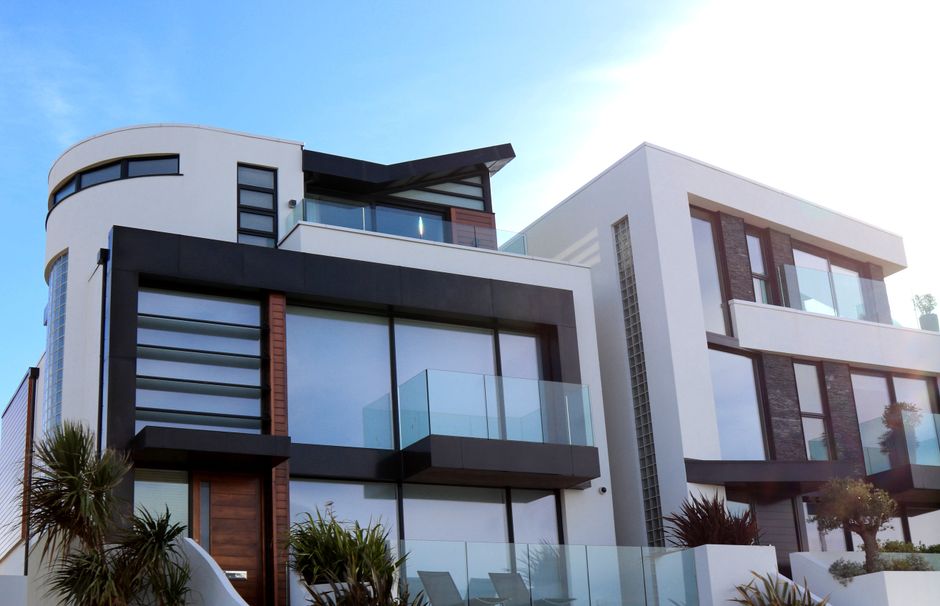
Sheffield’s property market has clawed its way back above its 2021 boom-cycle peak, with new data showing average home prices in the city hitting £269,400 this June. That figure edges out the previous record by 2.5%—but agents say the city is experiencing a markedly different momentum to the frenzied days of the pandemic-era run-up.
For buyers and sellers alike, the new landscape signals an end to the days of sealed-bid auctions and homes vanishing from Rightmove within hours. Instead, the city is seeing deliberate pricing, longer marketing periods, and a return of negotiation power, especially outside the core neighbourhoods like Crookes and Kelham Island.
The distinction is clear if you walk along Crookes’ main drag or through Kelham Island’s Baltic Works district. Back in late 2021, when Help to Buy and stay-at-home work drove a buying surge, properties on School Road or Dun Fields often saw ten or more offers within 48 hours of listing, according to agents at Spencers. Prices soared by as much as 12% in a single year. The city council’s own Housing Market Report (April 2022) noted an average time on market of just 20 days at the peak.
By contrast, today’s market is cautious. According to figures shared by Blundells estate agency, the average time on market for a semidetached is now 43 days. Kelham Island’s stylish apartments, which commanded eye-watering premiums at the height of the cycle, are taking upwards of two months to complete—though still closing above 2021 levels in some cases. Sheffield Hallam University’s Urban Policy Centre tracks completions: so far in 2026, 51% of homes have eventually sold below their initial asking price, up from just 13% during Q2 of 2021.
Detached homes in leafy Greystones now average £357,000, up 4% from June 2021. Terraced stock along Abbeydale Road has lagged, rising just 1% to £183,500. Meanwhile, new-build flats on Penistone Road—part of the Heart of the City II regeneration—are fetching £242,000, driven by young professionals priced out of Manchester’s core and a persistent lack of supply. The Sheffield Building Society confirmed mortgage approvals in May were down 8% year-on-year, suggesting the market is stabilising rather than overheating.
"The panic of missing out has faded," said one agent from Hunters, noting the cooling effect of two consecutive interest rate rises by the Bank of England since March. Yet the city’s stock of available homes is still only about 74% of its 2019 average, based on Zoopla’s June figures, keeping upward pressure on prices even as demand moderates.
Looking ahead, estate agents expect the market to remain tight but stable for the rest of 2026, with modest price rises likely—particularly in investment hotspots like Sharrow Vale and around the University of Sheffield’s new engineering campus. Practical tips for buyers: get mortgage offers agreed early, and be wary of underpriced listings. Sellers shouldn’t expect a bidding war, but well-presented properties are still moving swiftly at realistic prices. For renters, the continued shortage means pressure on the private sector is unlikely to ease before 2027, especially in central and student-heavy areas.

Property
Property

Property

Property
About this article
Published by The Daily Sheffield
Spread the word
Daily brief
Free, in your inbox before 7am. Weekdays.
The Daily Network — local news across Australia