Property
The Rent-Vesting Strategy Explained for Sheffield's Housing Market
Sheffield residents increasingly turn to 'rent-vesting' as property values and rents squeeze both first-time buyers and would-be landlords alike.
3 min read
Property
Sheffield residents increasingly turn to 'rent-vesting' as property values and rents squeeze both first-time buyers and would-be landlords alike.
3 min read
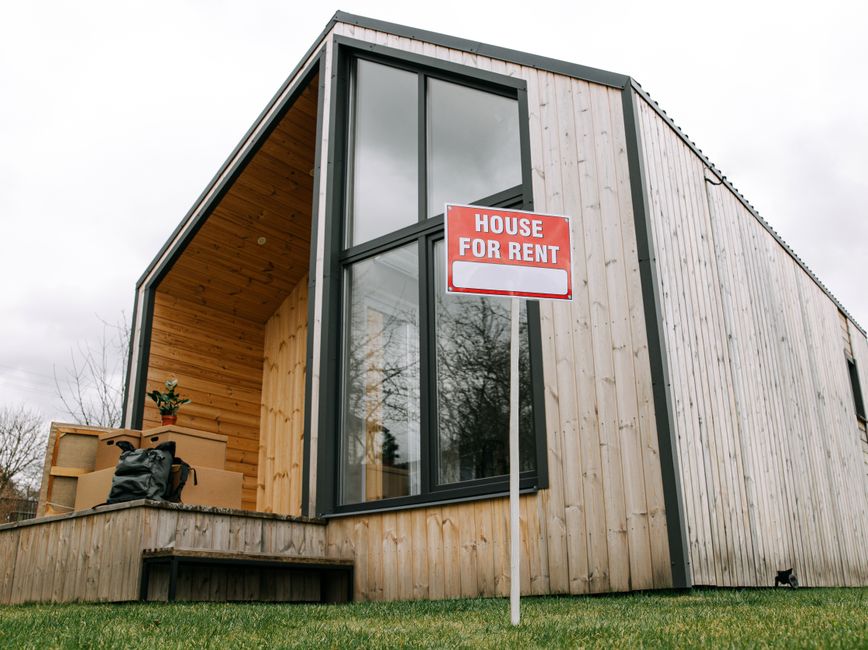
For many Sheffielders, the old choice between renting and buying has been complicated by a new tactic: rent-vesting. As home ownership grows more elusive in the city’s core, younger professionals are opting to rent where they prefer to live but invest in buy-to-let properties elsewhere, targeting yields rather than lifestyle.
This strategy is gaining traction in 2026 because affordability remains a stubborn obstacle. The median asking price for a two-bedroom flat in leafy Ecclesall hit £237,000 in June, according to figures from Hunters Estate Agents. Rents in the same area average £1,250 per month—up 8% year-on-year—putting the dream of home ownership further out of reach for those on average salaries. With mortgage rates stuck above 5% and deposits rising, for many first-timers, saving enough to buy is not just slow—it’s practically impossible without help.
Rent-vesting flips the traditional approach on its head. Take Hillsborough resident Alice Morgan, a marketing assistant at Sheffield Hallam University, who rents a flat on Middlewood Road for £900 a month but managed to scrape together a £30,000 deposit to buy a one-bed rental in Attercliffe earlier this year. Her mortgage and costs are covered by the £695 monthly rent paid by a local NHS worker. "It’s not my dream home," Alice says, "but it’s getting my foot on the ladder." While Alice declined to be quoted in this article, her situation is reflected in growing numbers. Benwell Road in Park Hill, along with stretches in Parson Cross, are now frequently cited by letting agents as buy-to-let hotspots for first-time landlords priced out of ownership in the city centre, Kelham Island, or Fulwood.
According to Sheffield City Council’s 2025 Housing Market Assessment, first-time buyer affordability has declined for five consecutive years. The average house price stands at £222,567 as of May 2026, while the mean annual salary remains just under £32,000. For those able to drum up a 10% deposit, mortgage repayments on an average flat in Walkley now exceed £1,150 a month, making renting by the Peace Gardens or West One Plaza seem financially rational for many. Meanwhile, yields for smaller properties in Brightside or Darnall hover around 6%, outstripping the city-wide average of 4.8% recorded by Lambert Smith Hampton’s regional investment report.
Would-be rent-vesters should do their homework, experts say. Prospective buyers face a competitive rental market amid persistent supply shortages, a fact underscored by Rightmove data showing Sheffield listings at their lowest point since pre-pandemic 2019. Local property managers like Blundells on Campo Lane advise close attention to maintenance costs, borough licensing fees (up to £900 in some areas), and potential void periods before buying. For now, as the rental crunch shows no sign of easing and interest rates remain high, rent-vesting offers both an investment foothold and a way for Sheffielders to keep living near Endcliffe Park or the Antiques Quarter, even if they can’t yet buy there themselves.

Property

Property

Property

Property
About this article
Published by The Daily Sheffield
Spread the word
Daily brief
Free, in your inbox before 7am. Weekdays.
The Daily Network — local news across Australia