British adults are now averaging just 6.3 hours of sleep a night, well below the seven-to-nine hours recommended by the Sleep Foundation, and the numbers are getting worse. Nationally, the NHS estimates poor sleep costs the UK economy around £50 billion annually in lost productivity. In Sheffield, sleep clinics at the Northern General Hospital on Herries Road have seen referrals for insomnia and sleep apnoea rise by roughly 18 percent since 2023, according to figures from Sheffield Teaching Hospitals NHS Foundation Trust.
The timing matters. Cost-of-living pressures have stretched household budgets across S1 to S14, and financial stress is one of the most consistent disruptors of deep, restorative sleep. Add the hormonal turbulence that affects millions — a topic getting renewed attention as conversations around HRT, testosterone and melatonin grow louder — and the cumulative effect on nighttime rest is significant. GPs at practices including Rivelin Medical Centre in the Walkley area report that patients are increasingly mentioning broken sleep and daytime fatigue as secondary complaints during appointments about anxiety or weight management.
What Is Actually Keeping Sheffield Awake
Three culprits come up repeatedly among sleep researchers: screens, stimulants and stress. Blue light from phones suppresses melatonin production for up to three hours after exposure, meaning a 10pm scroll through social media pushes the brain's sleep signal past midnight. Caffeine has a half-life of five to six hours — a 4pm flat white from a café on Ecclesall Road is still half-active in your bloodstream at 9pm. Then there is the stress variable. The University of Sheffield's Department of Psychology has published research linking chronic low-grade worry to hyperarousal, a state where the nervous system simply won't stand down at bedtime.
Alcohol is a subtler problem. Many people reach for a glass of wine as a wind-down, and short-term it helps with sleep onset. But even moderate drinking — two units — fragments sleep architecture in the second half of the night, dramatically reducing REM sleep. REM is where emotional processing and memory consolidation happen. Skip enough of it and cognitive performance, mood and immune function all degrade. Sheffield-based charity Alcohol Change UK has noted that awareness of alcohol's effect on sleep remains low compared to its effect on liver health.
Practical Fixes Grounded in Sheffield's Wellness Scene
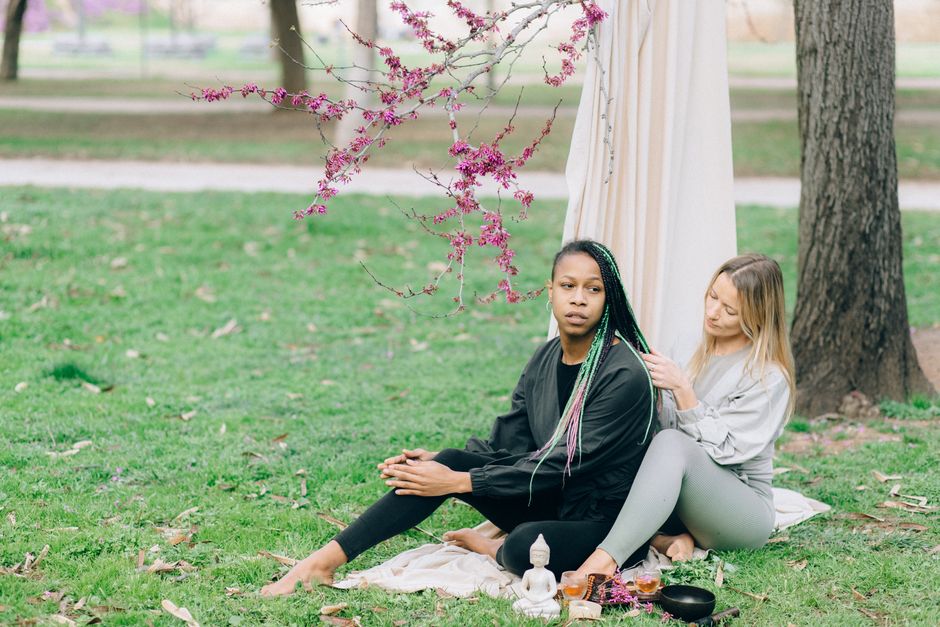
The good news is that the city's active wellness culture offers genuine, accessible options. Peddler Market on Neepsend hosts regular mindfulness and breathwork pop-ups, typically priced between £8 and £15 per session, and several practitioners there specialise in nervous-system regulation techniques proven to reduce sleep onset time. The Sheffield Sleep Better programme, run through Sheffield City Council's public health team, offers free six-week cognitive behavioural therapy for insomnia — CBT-I — courses at community venues including Sharrow Community Forum on London Road. CBT-I consistently outperforms sleep medication in long-term trials and is now the first-line treatment recommended by NICE.
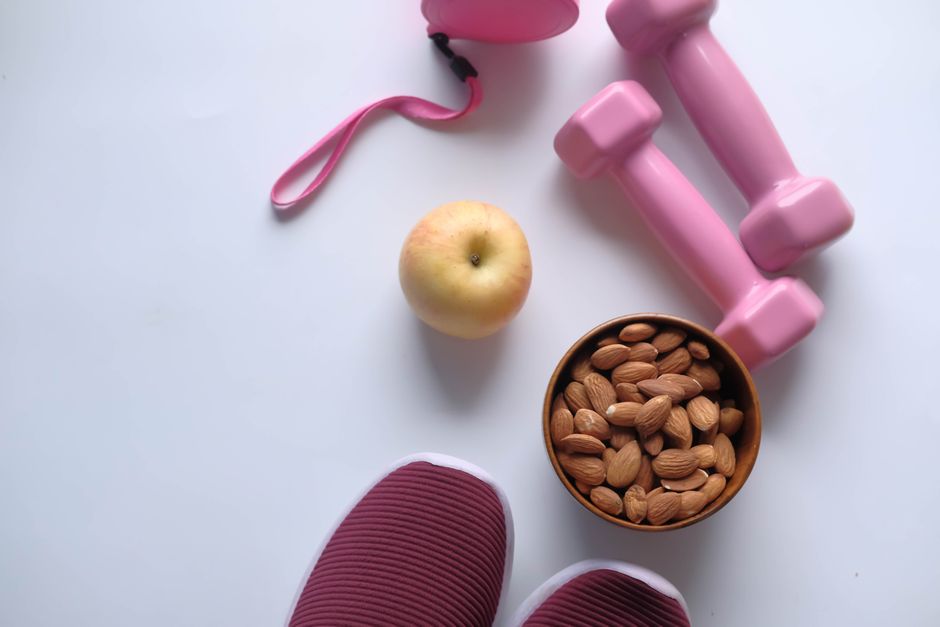
For those whose sleep disruption ties back to physical activity, trails through Endcliffe Park and the Porter Valley provide evening walks that researchers at the University of Sheffield's Institute for Sport, Physical Activity and Leisure have found lower cortisol measurably within 40 minutes. Morning light exposure is equally important — even a 15-minute walk before 9am recalibrates the circadian clock, making it significantly easier to feel sleepy at a consistent bedtime.
The fundamentals are unglamorous but effective: keep your bedroom below 18°C, stop caffeine by 2pm, set a consistent wake time seven days a week regardless of how badly the previous night went, and dim overhead lights an hour before bed. If those measures haven't moved the needle after three weeks, the right next step is your GP — sleep disorders including apnoea are underdiagnosed and treatable. Referrals to Sheffield Teaching Hospitals' respiratory sleep service can be made through any South Yorkshire practice. The waiting list currently sits at around eight weeks, which makes starting the conversation sooner rather than later the only logical move.