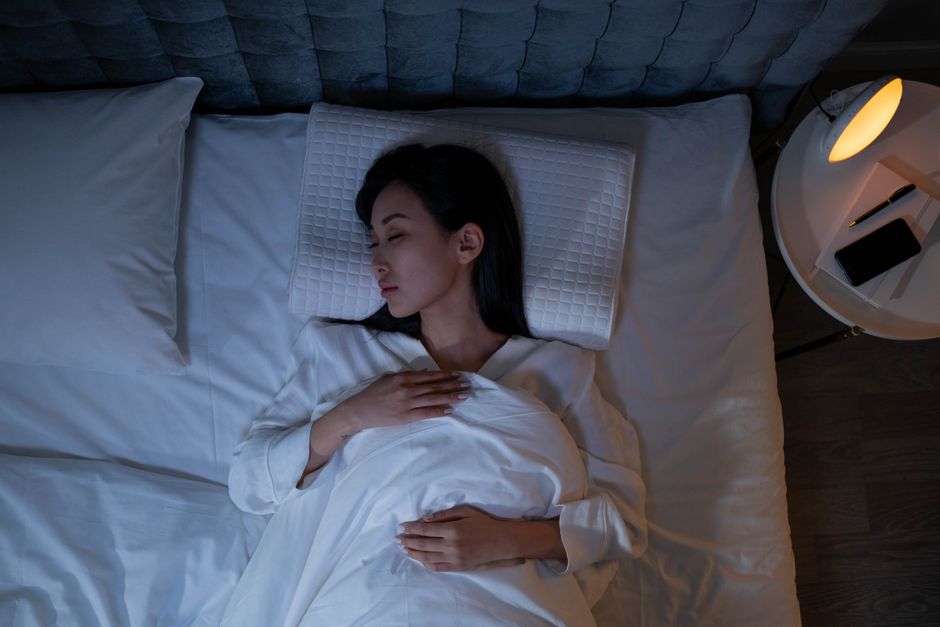
Most people trying to sleep better reach for a supplement or an app. They're looking in the wrong place. Sleep researchers increasingly point to the physical bedroom environment — temperature, light, noise, clutter — as the single biggest lever most of us are ignoring. Get the room wrong and eight hours becomes five hours of poor-quality rest. Get it right and even six hours can feel restorative.
This matters in July 2026 for a specific reason: the emerging conversation around hormones and sleep quality — from melatonin to cortisol — has pushed sleep back onto the public health agenda. But the evidence keeps circling back to environment first. No supplement fixes a warm, light-polluted bedroom. The checklist approach gives people something concrete to act on this weekend rather than waiting for a GP referral.
What the Evidence Actually Says
The Sleep Foundation puts the optimal bedroom temperature at between 15.6°C and 19.4°C for adults. Sheffield's summers are mild but damp, and during July heatwaves — the city recorded a 32°C peak on 19 July 2022 — upstairs bedrooms in the terraced houses that dominate Walkley, Nether Edge and Hillsborough can sit five to eight degrees above that target range. That thermal excess suppresses melatonin production and delays sleep onset by up to 45 minutes, according to research published in the journal Sleep Medicine Reviews.
Light is the second villain. Blackout curtains reduce ambient light exposure to below 1 lux, the threshold at which the brain's suprachiasmatic nucleus — the internal clock — stops interpreting the environment as daytime. A basic blackout blind from Dunelm at Crystal Peaks retail park starts at around £18. Thermal blackout curtains, which also address temperature, run between £45 and £90 depending on window size. That's a one-off cost with measurable returns on sleep quality within the first week for most people, according to a 2023 study from the University of Oxford's Sleep and Circadian Neuroscience Institute.
Noise is the factor Sheffield residents most often underestimate. The city's night-time economy on Division Street and the Ecclesall Road corridor generates ambient sound levels that can spike above 55 decibels between 11pm and 2am on Fridays and Saturdays. At 55dB — roughly the volume of a normal conversation — sleep is measurably fragmented even when people believe they've slept through it. White noise machines, available at Meadowhall's Boots for around £35, can mask irregular noise spikes without adding meaningful sound volume themselves.
Sheffield-Specific Resources Worth Knowing
Locally, two organisations are already embedding sleep hygiene into their wider wellness offer. Sheffield Flourish, the mental health charity based on Arundel Street, includes sleep environment assessment as part of its community wellbeing programmes, specifically through its Time to Talk drop-in sessions running every Tuesday. The Paces Sheffield Centre for Neuro Development in Tinsley has incorporated sleep environment guidance into its family support work, recognising that children's sleep quality affects the whole household's rest patterns.
For those wanting independent guidance, Sheffield Teaching Hospitals NHS Foundation Trust runs a self-referral sleep clinic at the Northern General Hospital on Herries Road. Referral waiting times currently sit at around 14 weeks for non-urgent cases, which makes the practical checklist approach — fixing what you can at home now — a rational first step rather than a stopgap.
The checklist itself is straightforward. Start with temperature: open windows before bed to pre-cool the room, close them as outdoor temperature peaks. Address light next — cover standby indicator lights on televisions and chargers with electrical tape; they produce less than 1 lux individually but cumulative glow across six devices adds up. Manage noise with either foam earplugs (under £5 at any Boots or Superdrug) or a white noise source. Clear the floor around the bed — visual clutter measurably elevates cortisol in the 20 minutes before sleep, per research from Princeton University. Finally, keep the bedroom for sleep and sex only; working from home has blurred that boundary for thousands of Sheffield residents since 2020 and the brain's contextual associations matter.
None of this requires expensive tech or a nutritionist. It requires an hour on a Saturday afternoon and a willingness to treat the bedroom as infrastructure rather than an afterthought. Anyone with persistent sleep difficulties lasting more than four weeks should contact their GP or call NHS 111 to discuss a referral to the Northern General sleep service.