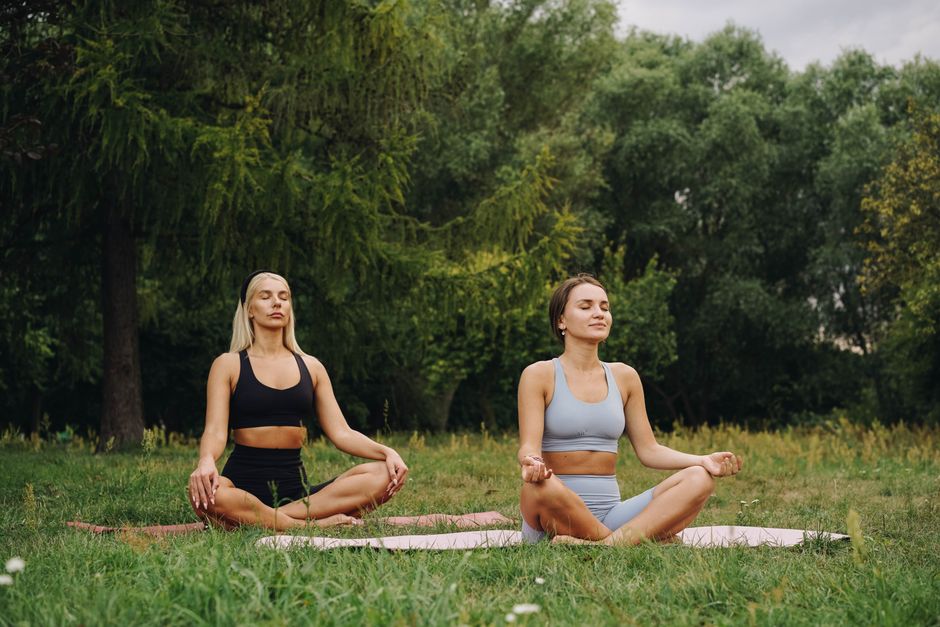
Sheffield has more yoga classes per square mile in its inner neighbourhoods than at any point in the city's recorded fitness history, according to data compiled by Active Sheffield in its 2025 annual review. The number of weekly classes listed across the city's leisure network topped 140 last autumn — up from 94 in 2021. The question is no longer whether you should try yoga. It's which version won't drive you quietly mad.
The timing matters. With workplace stress surveys consistently placing South Yorkshire employees among the most overworked in the north of England, and with GPs at surgeries including those on the Jordanthorpe estate and around Walkley routinely signposting patients toward movement-based stress reduction, more Sheffielders are arriving at yoga studios for the first time. Many leave confused. Bikram, Ashtanga, Yin, Kundalini — the terminology can feel like a second language before you've even unrolled a mat.
Breaking down the styles
Hatha is the obvious starting point. Slow, structured, and forgiving of stiff hips and office posture, it's the style running through most beginner timetables at places like Sheffield Yoga & Wellbeing on Abbeydale Road and the Feel Good Factor studio in the Moor Market area. A standard drop-in Hatha class in Sheffield runs between £10 and £14. Monthly unlimited memberships at mid-range studios typically land around £55–£65. For someone with no flexibility and a pathological fear of looking silly, this is the entry point.
Vinyasa — sometimes sold as Flow — connects breath to movement in sequences that shift faster than Hatha. Heart rate rises. Sweat happens. It suits people who find stillness difficult and want something that functions more like a workout. Several gyms on the University of Sheffield estate and around the Devonshire Quarter run lunchtime Vinyasa sessions aimed squarely at staff and students in their twenties and thirties.
Ashtanga is Vinyasa's more disciplined older sibling. The same 60-plus postures, performed in the same order, every session. There's something almost meditative in the repetition — practitioners talk about the sequence becoming a moving form of mindfulness. It demands commitment. Most teachers recommend attending at least twice a week to make progress, which puts the annual cost for a dedicated practitioner in Sheffield at roughly £700–£900 depending on the studio.
Yin targets the connective tissue rather than the muscles. Poses are held for three to five minutes each in near-silence. For anyone carrying chronic tension in the hips or lower back — common among people in desk-based jobs or manual trades — the physiological case is reasonably strong. A 2023 review published in the Journal of Complementary Therapies in Clinical Practice found that regular Yin practice over eight weeks produced measurable reductions in self-reported anxiety scores among working adults.
Restorative versus hot yoga — know what you're signing up for
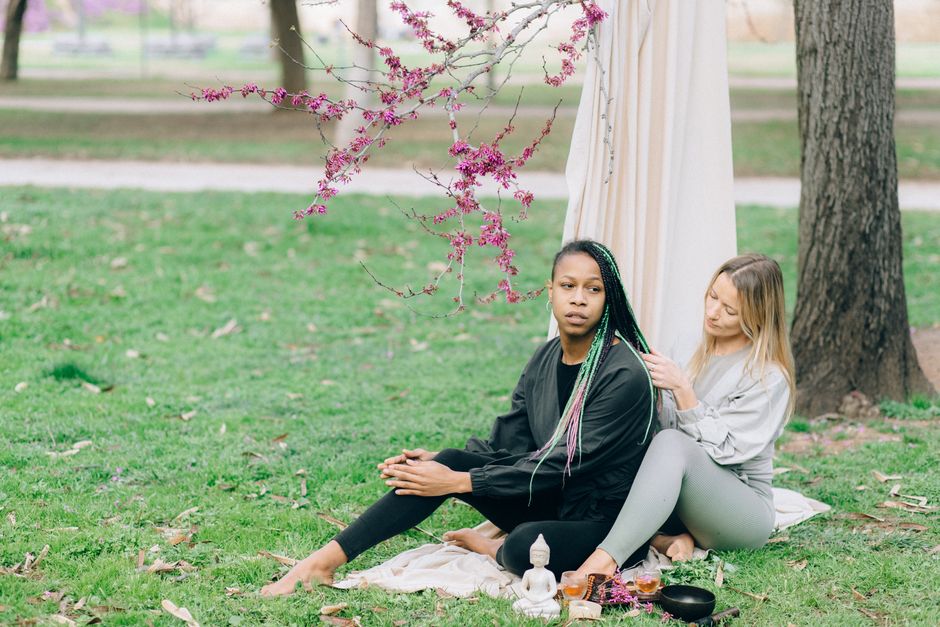
Restorative yoga takes Yin's logic further. Bolsters, blankets, and blocks support the body entirely. The aim is nervous system regulation, not physical conditioning. The Bhavana Centre on Brocco Bank, which has been running classes since 2018, is among the city's better-known spaces for this style, attracting a clientele ranging from cancer recovery patients to shift workers from the hospitals on Glossop Road.
Hot yoga — practised in a room heated to around 37–40 degrees Celsius — splits opinion sharply. Proponents credit the heat with deeper muscle release. Critics point out that the cardiovascular strain is real and that anyone with blood pressure concerns should speak to their GP before booking a session. Sheffield's hot yoga options are thinner than in larger cities; the closest established dedicated hot studio currently operates out of Kelham Island, with sessions running Tuesday through Sunday.
The practical advice is straightforward. Attend one trial class at each style before committing to a membership. Most Sheffield studios offer a first class free or at reduced rate — typically £5 — specifically to lower that barrier. If the goal is stress reduction and better sleep, Yin or Restorative. If the goal is strength and cardiovascular fitness, Vinyasa or Ashtanga. If you've never done any of it, Hatha on a Wednesday evening at a community centre costs nothing complicated. Just bring your own mat and arrive five minutes early.