Stress is not a feeling. It is a measurable physiological state, and right now roughly one in four adults in the UK reports feeling overwhelmed on a weekly basis, according to the Mental Health Foundation's 2025 annual survey. Sheffield, with its particular mix of post-industrial economic pressures and a genuinely active outdoor culture, is no exception — and local services are seeing demand that outstrips capacity.
The timing matters. July is traditionally when financial anxiety peaks for younger renters, as summer brings irregular work patterns and gaps between fixed monthly costs and fluctuating income. Sheffield's cost-of-living pressures — the average private rent in S1 and S3 postcodes hit £1,050 per month in June 2026, according to Rightmove data — compound the background noise that stress researchers call "chronic low-grade load." That load, left unmanaged, is associated with elevated cortisol, disrupted sleep and increased risk of anxiety disorders. The good news is that five techniques, each backed by peer-reviewed evidence, are accessible, mostly free, and practised actively across the city right now.
What the science actually says
First: diaphragmatic breathing. A 2023 meta-analysis published in Frontiers in Psychology found that just five minutes of slow, controlled breathing — inhaling for four counts, holding for two, exhaling for six — reduced self-reported stress scores by an average of 27 percent across 15 controlled trials. Sheffield's Headspace Wellness Studio on Sharrow Vale Road runs a free lunchtime breathwork session every Tuesday, and attendees describe it as unremarkable in the best possible sense: no incense, no performance, just technique.
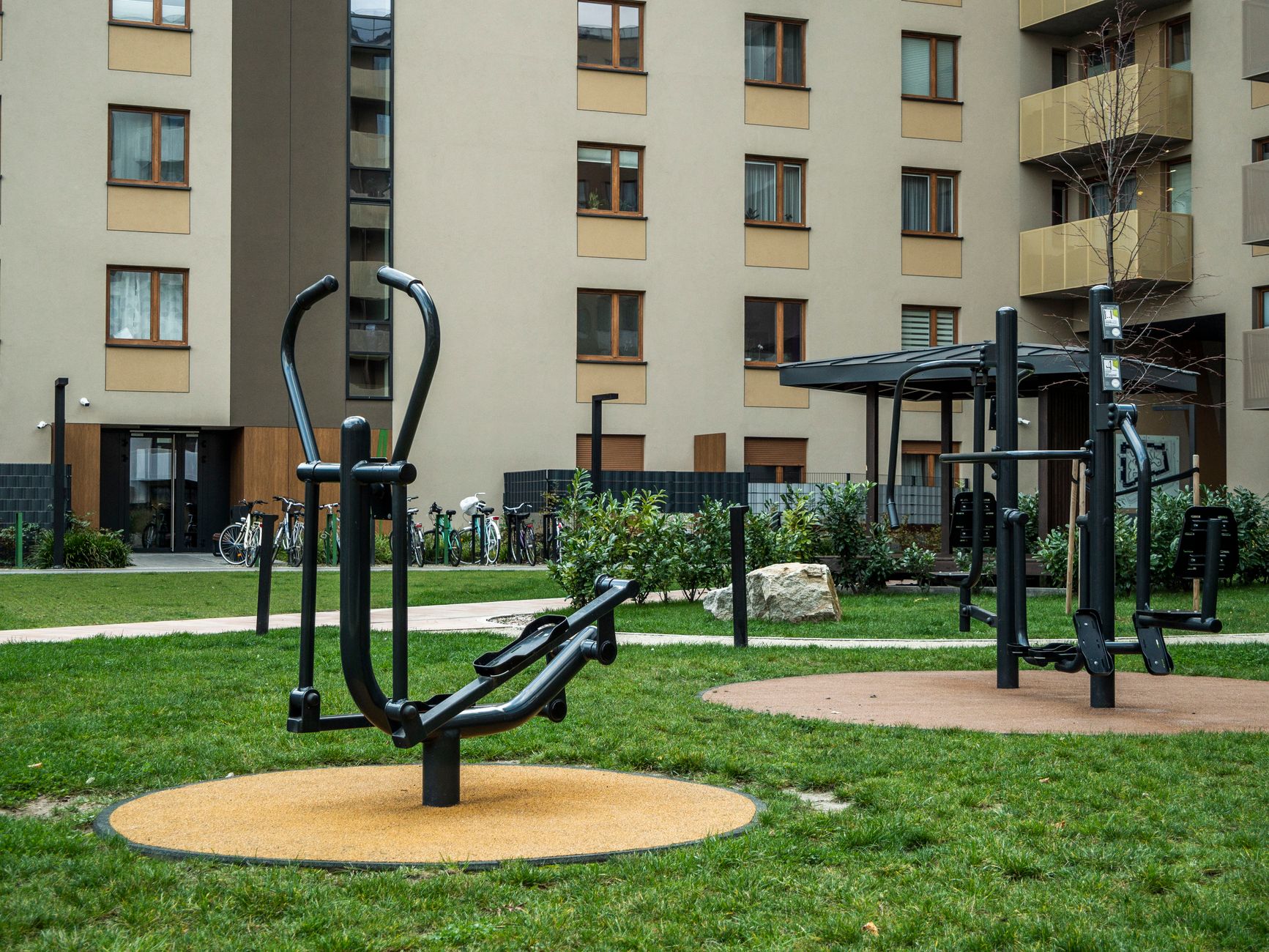
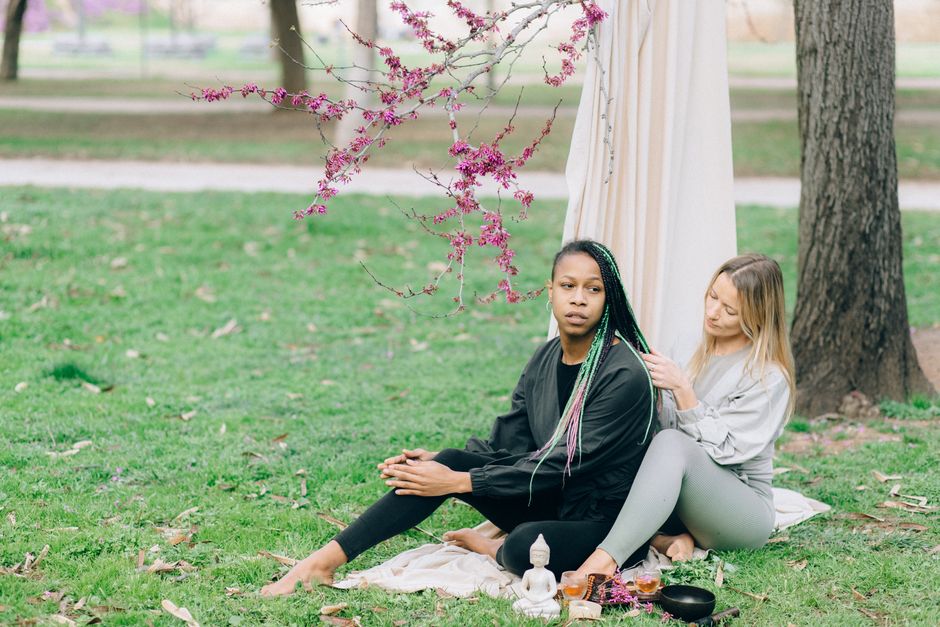
Second: structured physical movement outdoors. This is not a vague suggestion to "go for a walk." Research from University College London's epidemiology unit, published in January 2024, found that 20 minutes of green-space exercise reduced cortisol levels more effectively than the same duration on a treadmill indoors. Sheffield has 650 parks and green spaces — more per capita than any other major UK city — and the Porter Valley circular route from Endcliffe Park covers roughly 4.5 miles with minimal road crossings. The Ramblers' Sheffield Group organises free weekly walks from Hunters Bar on Saturday mornings at 9am.
Third: progressive muscle relaxation, a technique developed by Edmund Jacobson in the 1930s and still validated in clinical settings. It involves systematically tensing and releasing muscle groups over 15 to 20 minutes. Sheffield Mind, based on Campo Lane in the city centre, includes PMR in its self-referral wellbeing programme, which is currently free to access for S-postcode residents aged 18 and over.
Fourth: social contact with low-pressure purpose. Loneliness amplifies perceived stress significantly — a 2024 King's College London report put the risk increase at 31 percent for chronically isolated adults. Sheffield's network of community growing projects, including Heeley City Farm on Richards Road and the Burngreave Food Growing Project on Andover Street, offer drop-in volunteer slots that combine gentle physical activity, purposeful routine and natural social contact without any expectation of emotional disclosure.
Sleep and the overlooked hormone question
Fifth: sleep hygiene as a non-negotiable foundation. This sounds pedestrian. It is not. The NHS Sheffield Talking Therapies service, which accepts self-referrals online, specifically uses sleep behavioural interventions as a front-line stress management tool before any talking therapy begins. Keeping a consistent wake time — including weekends — is the single intervention with the strongest evidence base for stabilising the cortisol awakening response, which governs how effectively your system handles stress across the following day.
For anyone unsure where to start, Sheffield Mind's website lists current group programmes with start dates through to September 2026. The Ramblers Sheffield Group schedule is published monthly. Neither requires a referral, a subscription, or anything beyond showing up. Individuals experiencing significant or persistent symptoms should speak with their GP at one of the city's 36 NHS primary care practices — a 10-minute conversation about stress is a legitimate use of that appointment slot, and clinical staff can signpost to more intensive support if needed.
This article was compiled by AI and screened before publishing. See our editorial standards.