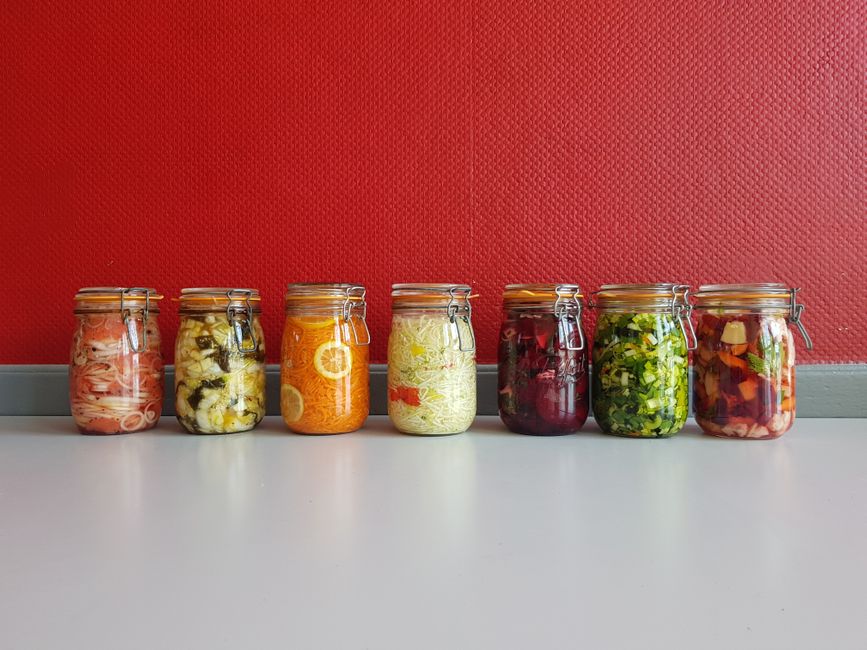
Fermented foods are no longer a niche obsession. Across Sheffield, producers and retailers are stocking kimchi, kefir, kombucha and krauts in volumes that would have seemed eccentric five years ago — and a growing body of research explains why shoppers are reaching for them.
Interest in gut microbiome health has accelerated sharply since 2021, when a landmark Stanford University study published in Cell found that a diet high in fermented foods increased microbiome diversity and reduced markers of inflammation in adults within just ten weeks. That finding landed hard in mainstream wellness culture, and local food businesses in Sheffield have been feeling the ripple ever since.
Where to find it in the Steel City
Meadowhall aside, some of the most interesting fermented food sources in Sheffield are deliberately small-scale. Brocco on the Park, the café and deli on Brocco Bank near Endcliffe Park, has been stocking live-culture kefir from a Yorkshire dairy supplier since early 2025, and staff report it selling out most weekends. A 500ml bottle runs around £3.80. A few miles north, the Kelham Island neighbourhood — already known for its independent brewing scene — has seen at least two producers begin selling raw kombucha at the Kelham Island Makers Market, held monthly on Alma Street. Bottles typically go for between £3 and £4.50 depending on the batch size.
The Sharrow Vale Road stretch in Hunters Bar deserves particular attention. Natures Way Foods, the independent wholefood shop at the Ecclesall Road end of that neighbourhood, stocks at least four varieties of unpasteurised sauerkraut alongside miso paste and tempeh year-round. Staff there regularly field questions from customers who have been told by GPs or dietitians to look at dietary sources of live bacteria before considering probiotic supplements — which can cost upwards of £25 for a month's supply and vary wildly in quality.
Sheffield's food market calendar also helps. The Sharrow Vale Food Festival, which returns each September, featured eight stalls selling fermented or cultured products in 2025, up from three in 2023. That trajectory suggests demand in S11 and the surrounding postcodes is accelerating rather than plateauing.
Why 'live cultures' is the phrase to look for
Not everything labelled fermented delivers gut health benefits. Pasteurisation — the heat treatment applied to extend shelf life — kills the live bacterial cultures that appear to drive the microbiome benefits observed in clinical research. Standard supermarket sauerkraut, for instance, is almost always pasteurised. The distinction matters if you are buying for health reasons rather than flavour alone.
Look for the words "raw", "unpasteurised" or "live cultures" on packaging. Kimchi, when traditionally prepared, is always raw and can be found at the Seoul Bowl Korean restaurant on Division Street, where jars of house-made kimchi are sometimes sold to take away. Independent health food shop The Vitamin Shoppe on Pinstone Street stocks a rotating selection of probiotic foods and can advise on what is currently live rather than shelf-stable.
Practical starting points matter here. Gut health specialists consistently recommend introducing fermented foods gradually — a tablespoon of sauerkraut with lunch rather than a full portion — because a sudden increase in live cultures can cause temporary bloating as the gut adjusts. Two or three servings per week is a reasonable target for most people beginning to incorporate these foods. Anyone with an underlying digestive condition, including inflammatory bowel disease or irritable bowel syndrome, should speak with their GP or a registered dietitian at Sheffield Teaching Hospitals NHS Foundation Trust before making significant dietary changes. The Trust's dietetics team can be reached through a GP referral or, in some cases, via self-referral through the NHS Sheffield website.
The fermented food section at your local market stall is not a cure. But for many Sheffield residents, it is a straightforward, affordable and genuinely enjoyable place to start paying attention to what lives in their gut.